What is ISO 9001 Design and Development of Products and Services?
The purpose of the Design and Development of Products and Services is to ensure that all design and development interfaces among different organizational functions and groups are defined and properly managed to ensure effective communication and clear assignment of responsibility.
Contents
- What is ISO 9001 Design and Development of Products and Services?
- Design and Development Process
- Design Management Procedure

If your design and development are outsourced, the supplier will meet the requirements of this procedure and provide objective evidence that they were met.
Don’t Try to Manage It All Alone!

ISO 9001 Design and Development Process
When it comes to the ISO 9001 Design and Development Process, there is a set of steps that are outlined for the most effective results.
8.3 Design and Development Steps
- 8.3.2 Design and Development Planning
- 8.3.3 Design and Development Inputs
- 8.3.4 Design and Development Controls
- 8.3.5 Design and Development Outputs
- 8.3.6 Design and Development Changes
From start to finish, these steps and their procedure serve to guide a company in the right direction when they are planning and developing their product.
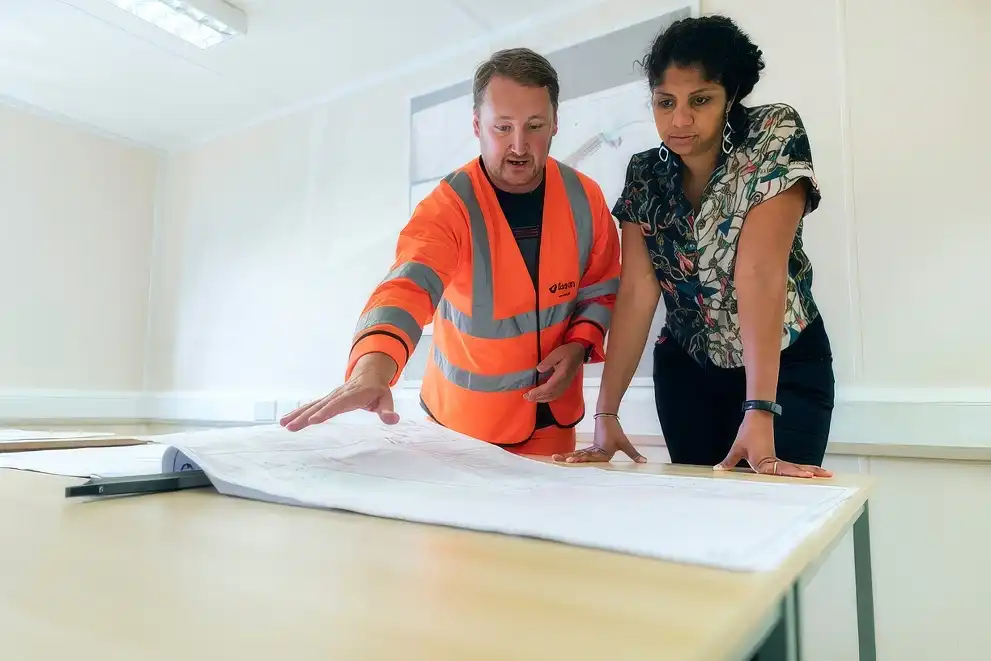
To summarize these steps, you will begin with a concrete idea for a product, accompanied by a solid plan of action, followed by more detailed planning, a physical prototype, and changes to improve these areas.
8.3.1 General
This is a new requirement that mandates the introduction of a design and development process where this activity is required. You should seek and record evidence that, where applicable, your organization has implemented a design and development process to allow effective product or service provision, where the requirements for products and services are not defined by the customer or interested parties.
8.3.2 Design and Development Planning
You should seek and record evidence that your organization has considered the explicitly referenced considerations relating to the design and development process set out above. You should also ensure that your organization has retained documented information to confirm the identified design and development requirements were met and that design reviews were undertaken.
8.3.3 Design and Development Inputs
The next step of the design and development procedure is the design inputs. Since the last stage was for planning, this is the actual first step toward the direction of creating and implementing the product that is in question.
In other words, the company will take their very first actions during the design input stage in correlation with the plan that they put into place in the beginning of the process.
You should seek and record evidence that your organization has documented and retained information concerning the need for internal and external resources and the potential consequences of design or development failure.
The main points of the design input process are to make sure that the requirements of the customer are being met by the product as well as the regulations of the government or industry that the product falls under. This step should be documented and recorded, ensuring that this information is correct.
8.3.4 Design and Development Controls
You should seek and record evidence that your organization has applied the necessary controls to its design and development process in order to ensure that:
- The results from undertaking the design and development process are clearly defined
- The design and development reviews take place in accordance with planned arrangements
- The design and development outputs meet the design and development inputs (verification)
- The resulting products and services are fit for their intended use or specified application where this is known to the organization (validation).
Start with Expert Templates, then Make Them Yours

8.3.5 Design and Development Outputs
Following the design input, the company will move on to design and development outputs. Contrary to the input stage, this process will include creating an actually definition of the product’s design. The ISO 9001 guidelines do not give any specific requirements for how this design should be documented.
Some ideas for product design and development output documentation can be drawings of the model, written instructions for assembling the product, or something similar.
You should seek and record evidence that the additional requirement to retain documented information concerning design outputs. You should also check the need for design outputs to reference monitoring and measuring requirements.
Design and Development Final Stages
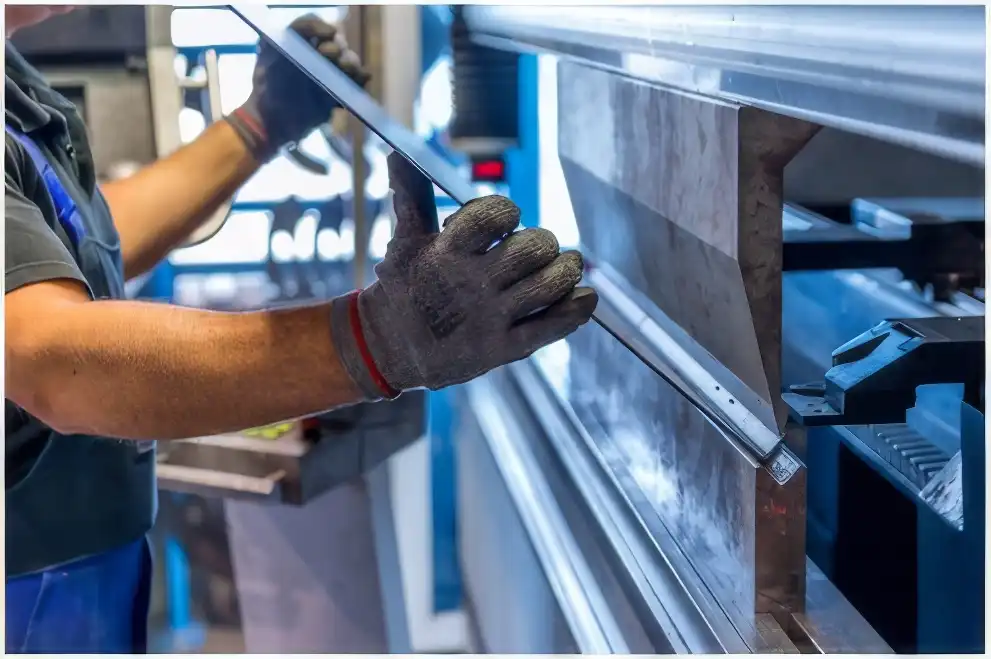
The final steps of the design and development process include the confirmation that the actual physical prototype is in good standing, as well as the implementation of changes and solutions for any problems that might arise.
After the design and development process has been thoroughly reviewed, the company will move on to design and development validation. This is where the very first prototype of the product is built and tested for quality and competency with all requirements.
This prototype of the product should also meet the requirements for the intended use that were defined in the planning step. In other words, the test product should work efficiently for the actions it is supposed to carry out or the problem it should solve for the consumer.
The design and development review process will consist of going over the past and future steps of product development in order to ensure everything is running smoothly. During this step, the company should be able to identify and confirm that their product design meets all necessary requirements.
In the event that there are any problems with the product itself or the compliance with the regulations in question, actions must be taken to change them and get the process back onto the right track. The end of the design and development stage will include the review of company personnel and the documentation of their progress.
8.3.6 Design and Development Changes
It is important to control design changes throughout the design and development process and it should be clear how these changes are handled and what affects they have on the product.
You should seek and record evidence that your organization has retained documented information concerning:
- Design and development changes
- The results of reviews
- The authorization of changes
- Actions taken to prevent adverse impacts
The control of design and development changes area is the last step of the development process. If there is anything wrong with the test product that was created in the previous validation procedure, this will be where the changes take place.
These changes can be anything from edits to previous product sketches or a revision to the instructions of use or assembly that were also defined in the planning stage. To avoid any detrimental mistakes, these changes should be thoroughly researched and discussed before they are implemented.
If anyone in the company is able to make changes to the product design or assembly without the assurance that it will make it more successful, the process can become misconstrued and confusing. Any changes that are made during this stage should be properly documented for future reference.

 ISO 9001
 Process Maps
 Reports & Forms
 Checklists